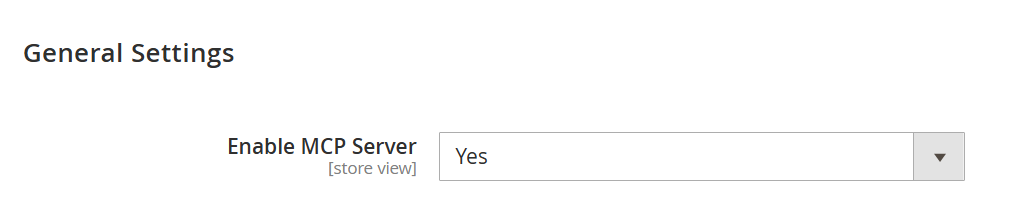
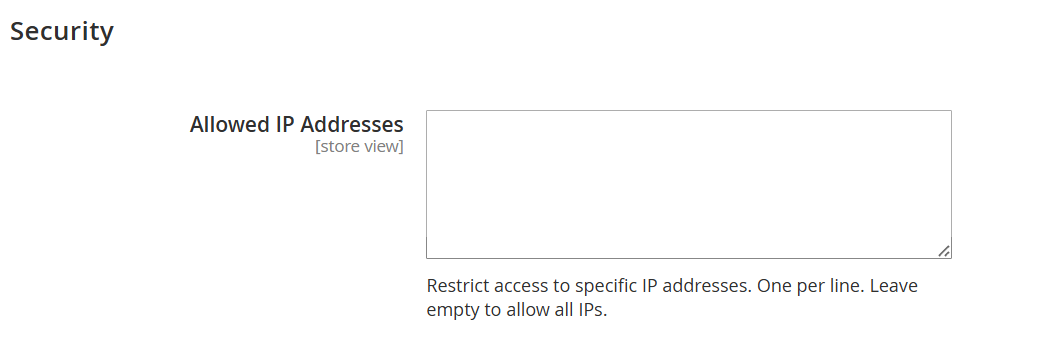
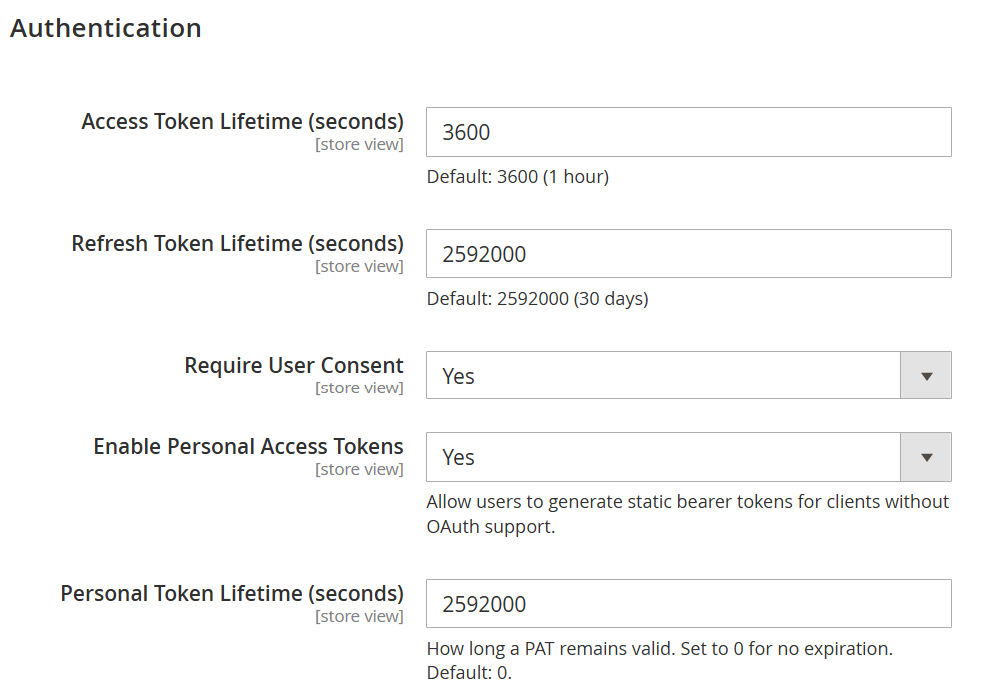
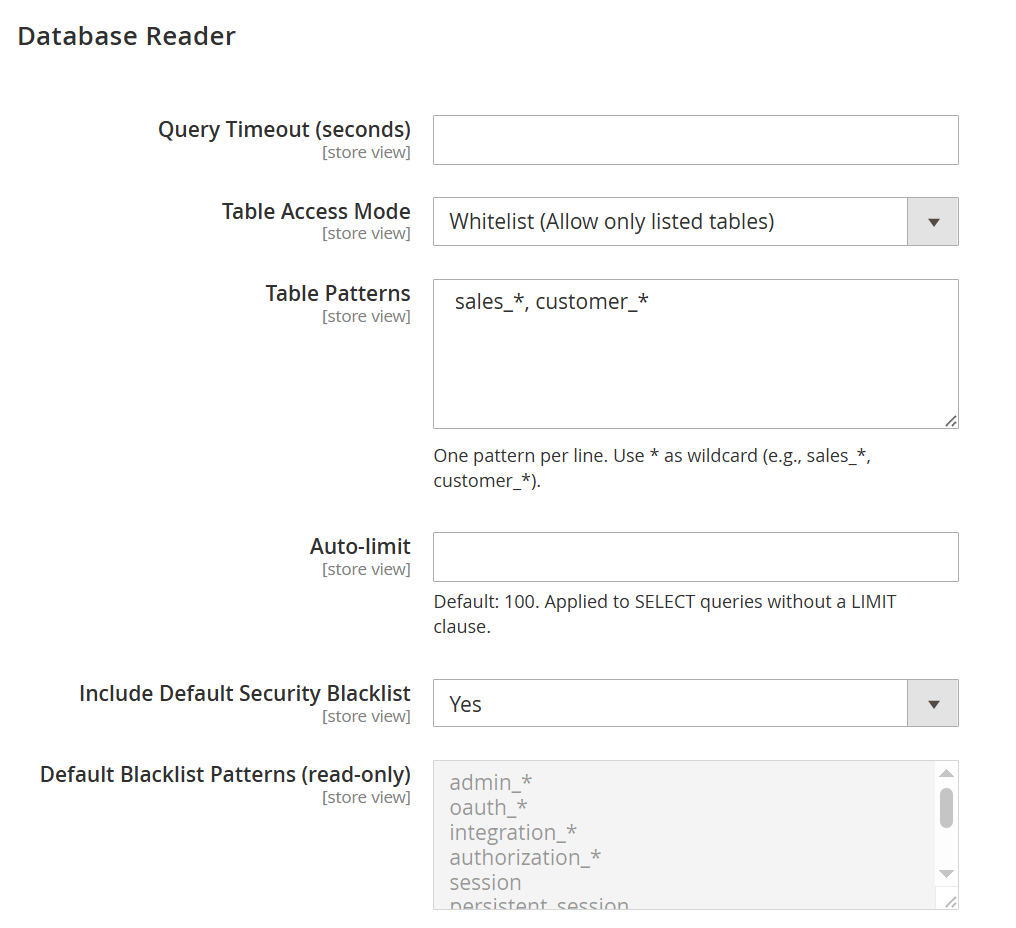
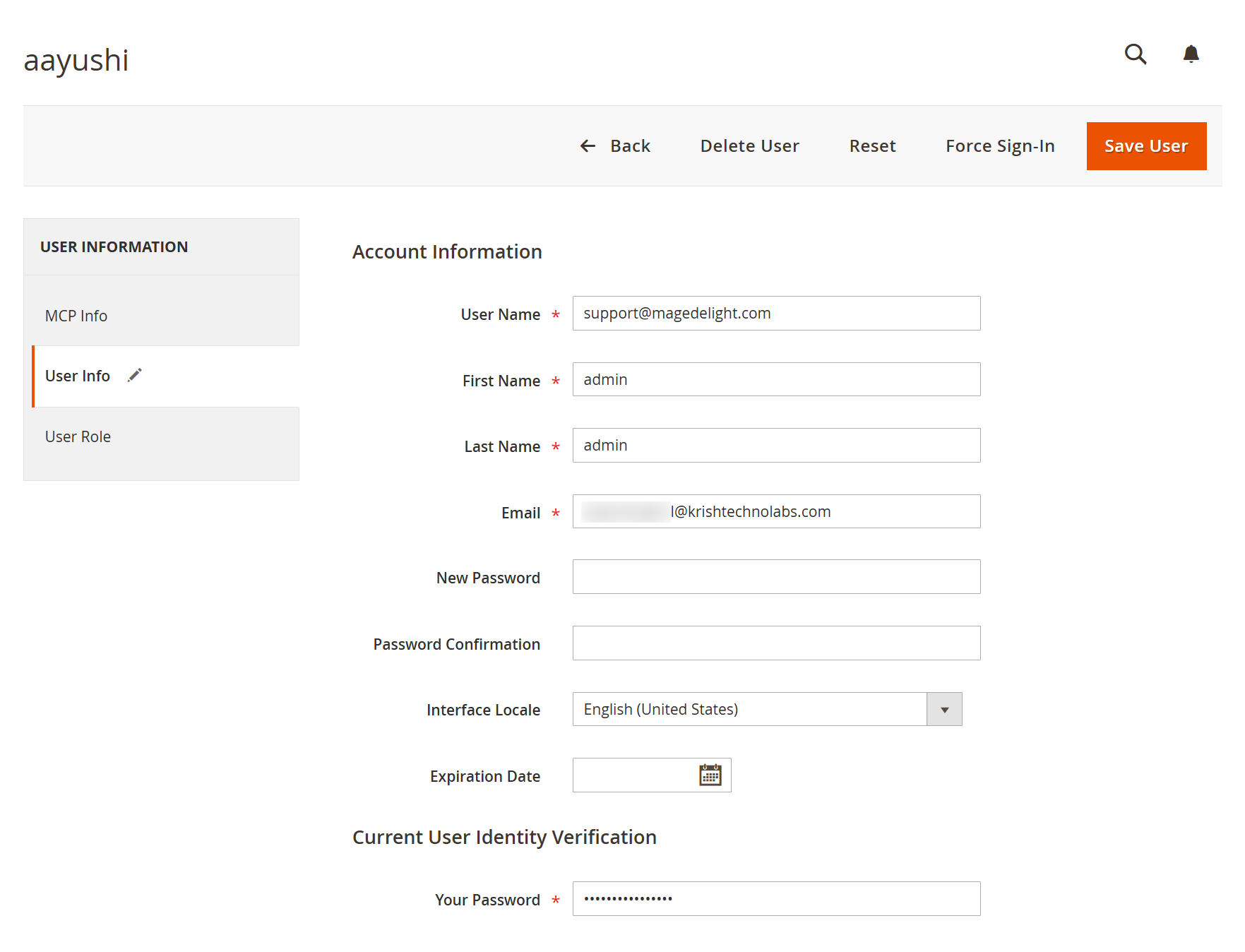
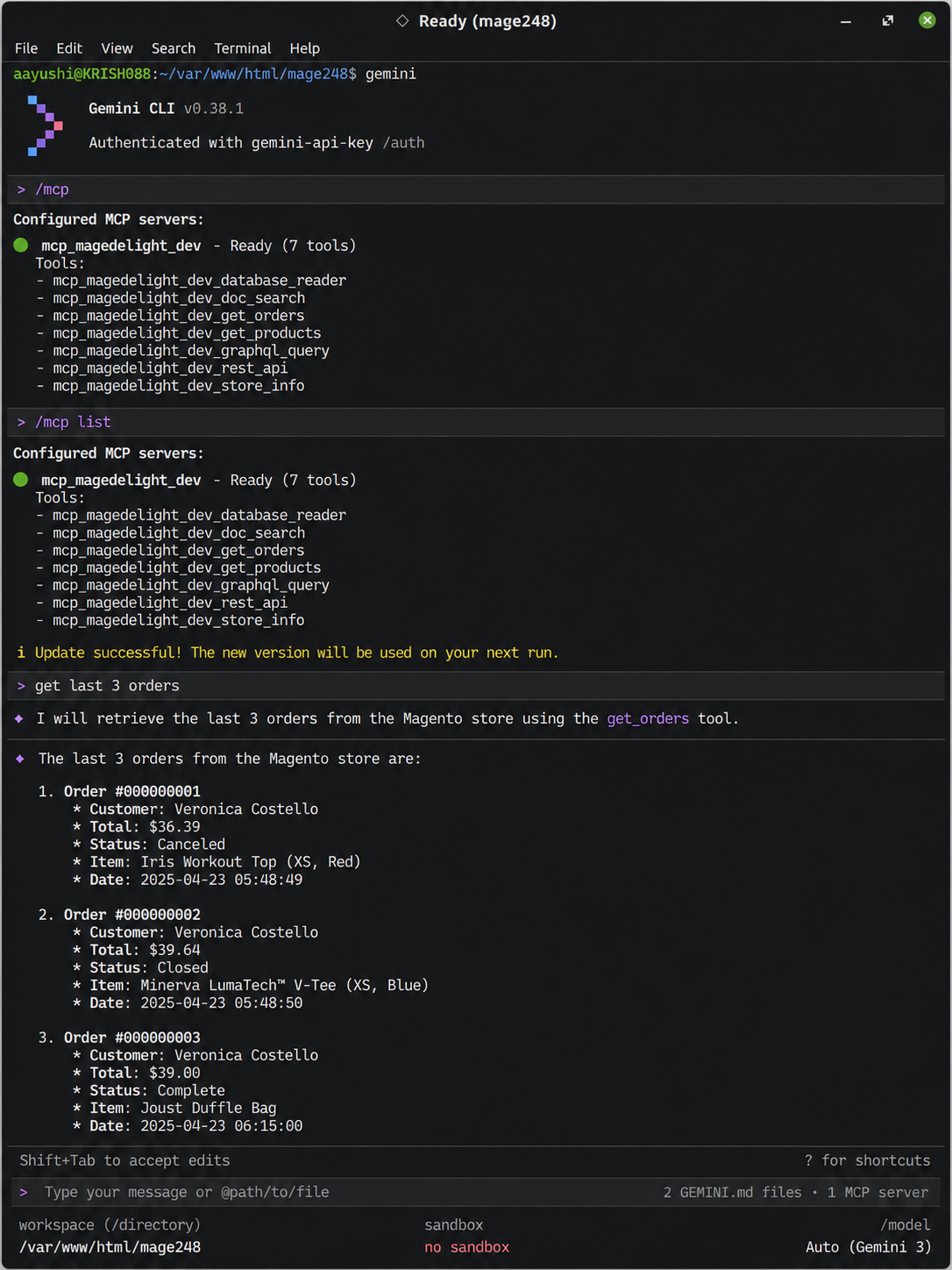
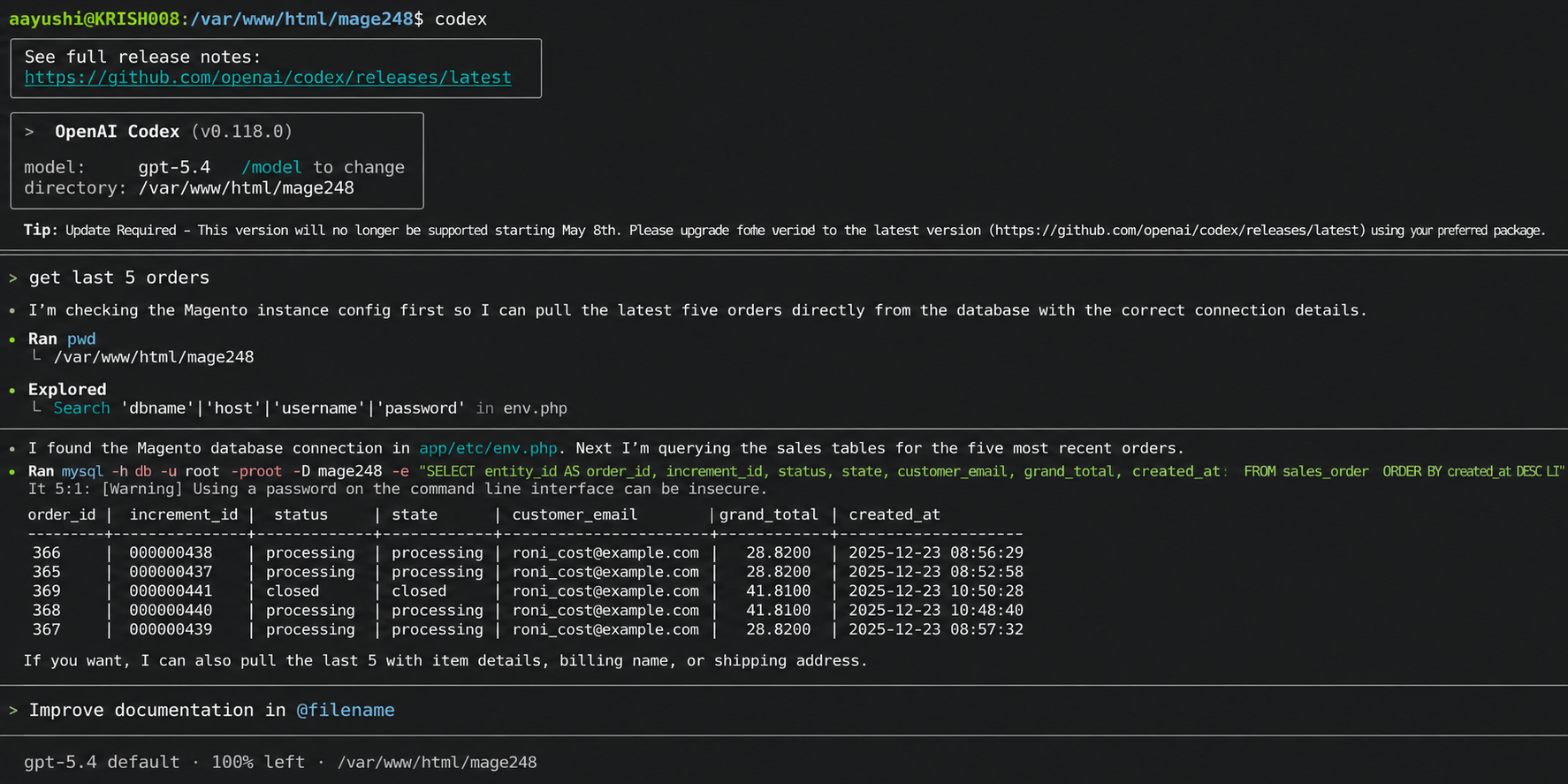
DemoClick here to visit frontend.- is intended for standard user profile management such as login details, contact information, password updates, locale preference, and account validity.
| Field | Description |
|---|
| User Name | Specifies the login username for the admin user account. This value is used when the user signs in to the admin panel. | | First Name | Defines the first name of the admin user for identification within the system. | | Last Name | Defines the last name of the admin user for profile and record display purposes. | | Email | Stores the email address associated with the admin user account. This is used for account-related communication and identification. | | New Password | Allows the administrator to assign a new password for the selected user account. | | Password Confirmation | Confirms the new password entry to avoid accidental password mismatches. | | Interface Locale | Lets the administrator choose the language or locale used in the admin interface for the selected user. | | Expiration Date | Sets the date until which the admin user account remains active. After this date, the account can be restricted based on system behavior. | | Your Password | Requires the current administrator password to verify identity before saving sensitive account changes. | | Save User | Saves all updates made in the User Info tab. | | Back | Returns to the previous screen without continuing further actions. | | Delete User | Removes the selected admin user account from the system. | | Reset | Discards unsaved changes and restores the current form values. | | Force Sign-In | Forces the selected user to sign in again, which is useful for session control or security purposes. | | MCP Info | Opens the MCP-specific settings tab for the selected user. | | User Info | Opens the general account information tab for the selected user. | | User Role | Opens the role assignment tab where permissions and access levels can be managed for the selected user. |
| Panel |
|---|
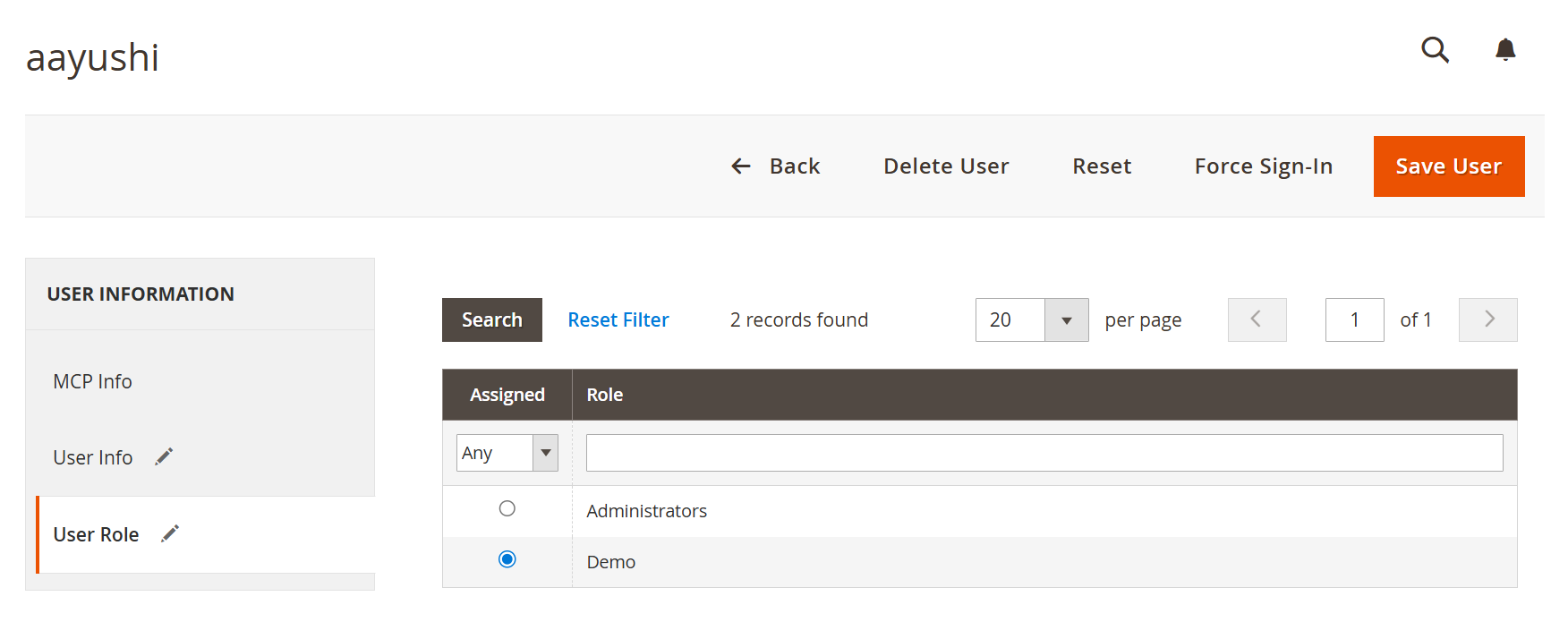 Image Added Image Added
|
- The User Role tab in the Edit User section is used to assign or change the admin role for the selected user. It helps control what areas, tools, and permissions the user can access in the admin panel, including MCP-related capabilities based on the assigned role. This tab also includes basic grid controls to search and filter available roles before selecting one.
| Field | Description |
|---|
| Assigned | Lets the administrator choose whether a role is assigned to the selected user. The radio option is used to select one role from the available list. | | Role | Displays the list of available admin roles that can be assigned to the user. | | Search | Applies the selected filters and updates the role list accordingly. | | Reset Filter | Clears the applied filters and restores the default role listing. | | Records Found | Shows the total number of role records currently available in the grid. | | Per Page | Lets the administrator define how many role records should be displayed per page. | | Pagination | Enables navigation between pages when more role records are available than the selected page limit. | | Save User | Saves the selected role assignment and any related changes made for the user. | | Back | Returns to the previous screen. | | Delete User | Deletes the selected admin user account. | | Reset | Discards unsaved changes made on the current edit screen. | | Force Sign-In | Forces the selected user to sign in again for security or session control purposes. | | MCP Info | Opens the MCP-specific settings tab for the selected user. | | User Info | Opens the general account information tab for the selected user. | | User Role | Opens the role assignment tab where the user’s admin role can be selected or updated. |
Role-Based MCP Access Configuration| Panel |
|---|
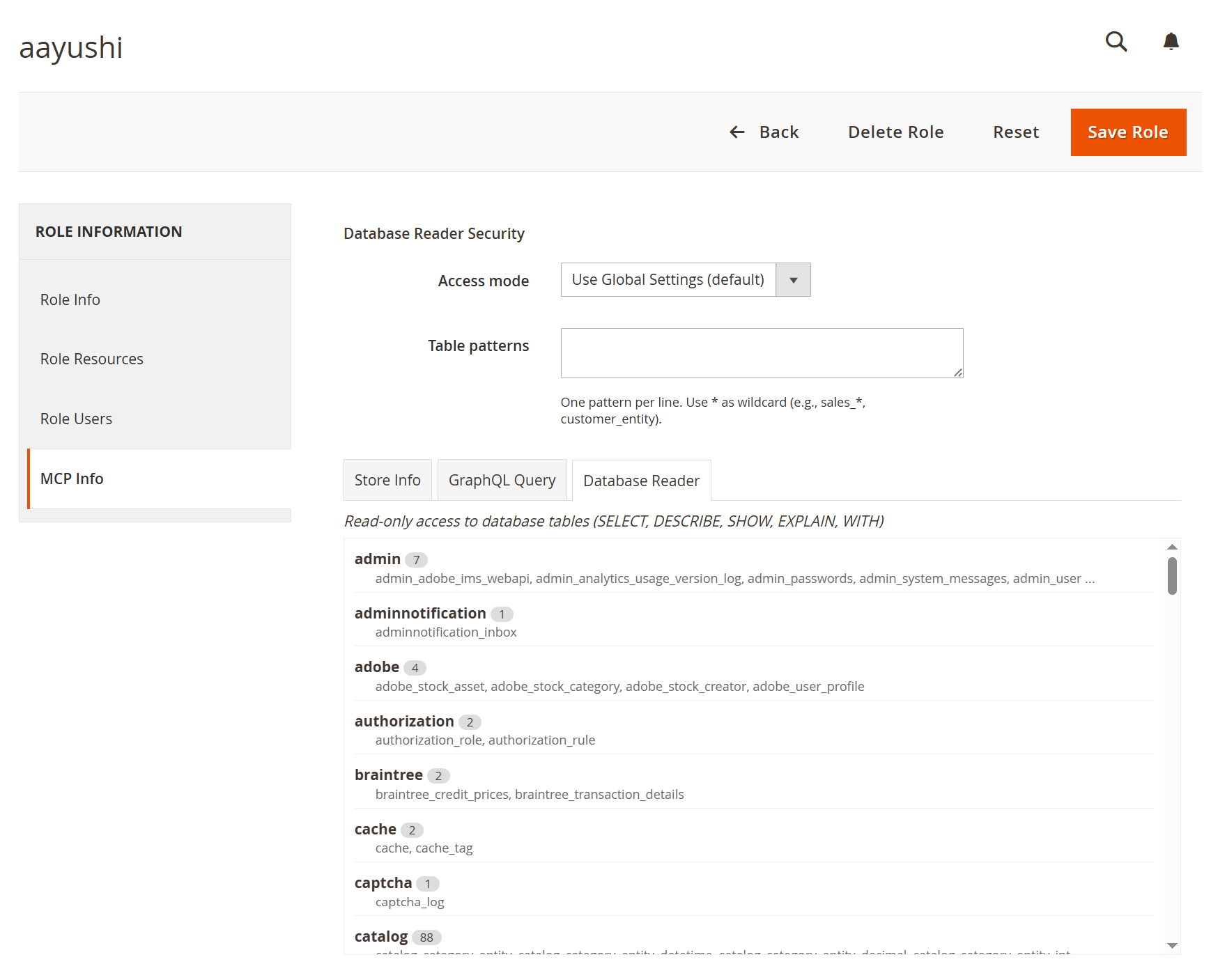 Image Added Image Added
|
- The MCP Info tab under System → Permissions → User Roles is used to manage MCP-related access rules at the role level. It lets administrators define how the Database Reader should behave for users assigned to that role and also provides a quick view of the MCP tools available to the role. This helps apply tighter access control without changing the global MCP configuration for all users.
| Field | Description |
|---|
| MCP Info | Opens the role-level MCP configuration section for the selected admin role. | | Database Reader Security | Displays role-specific security controls for database access through MCP. | | Access Mode | Defines how database table restrictions are applied for the selected role. - Use Global Settings follows the system-wide configuration,
- Blacklist blocks only the listed table patterns,
- Whitelist allows access only to the listed table patterns.
| | Table Patterns | Lets administrators enter table name patterns to control database access for the role. Add one pattern per line and use * as a wildcard, such as sales_* or customer_entity. | | Store Info | Shows the MCP tool access view for store configuration and store structure information available to this role. | | GraphQL Query | Shows the MCP tool access view for GraphQL query capability available to this role. | | Database Reader | Shows the MCP tool access view for database query access available to this role. | | MCP Tools View | Displays the MCP tools assigned to the role, helping administrators quickly review what functionality is available under that role. | | Save Role | Saves the MCP role settings and any other updates made to the selected role. | | Back | Returns to the previous role management screen. | | Delete Role | Removes the selected role from the system. | | Reset | Discards unsaved changes and restores the current form values. | | Role Info | Opens the general role information tab. | | Role Resources | Opens the permissions tree where Magento and MCP resources can be assigned to the role. | | Role Users | Opens the section showing users assigned to the selected role. |
MCP Configuration in My Account| Panel |
|---|
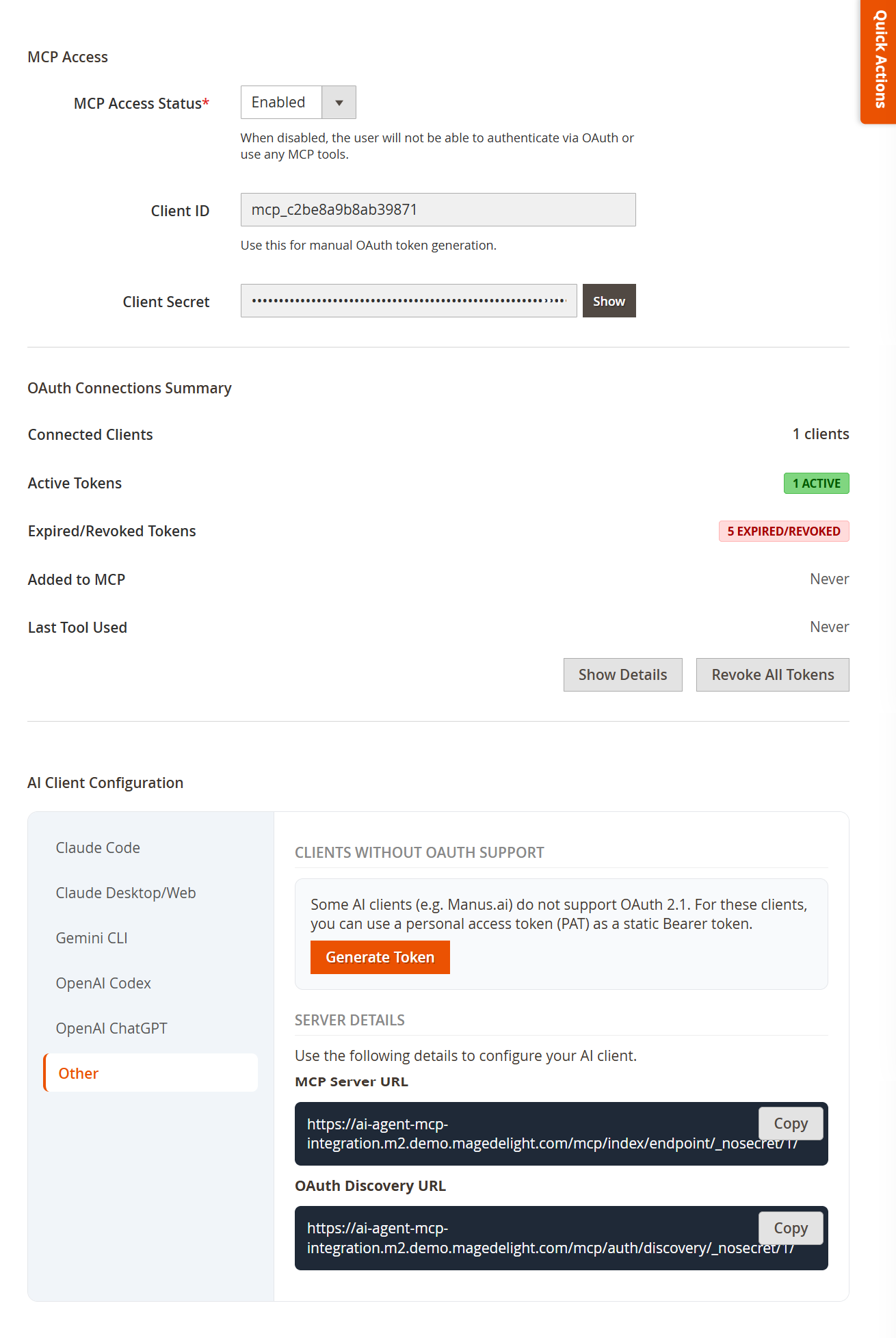 Image Added Image Added
|
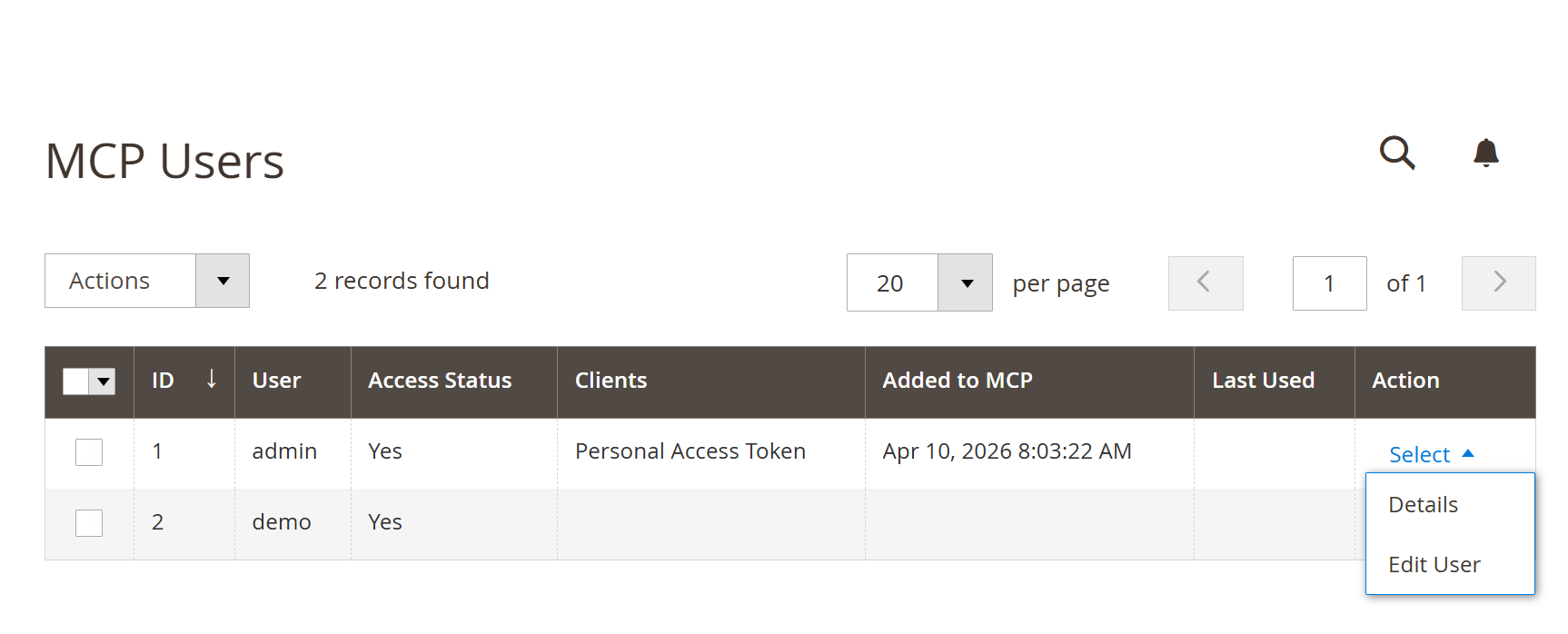
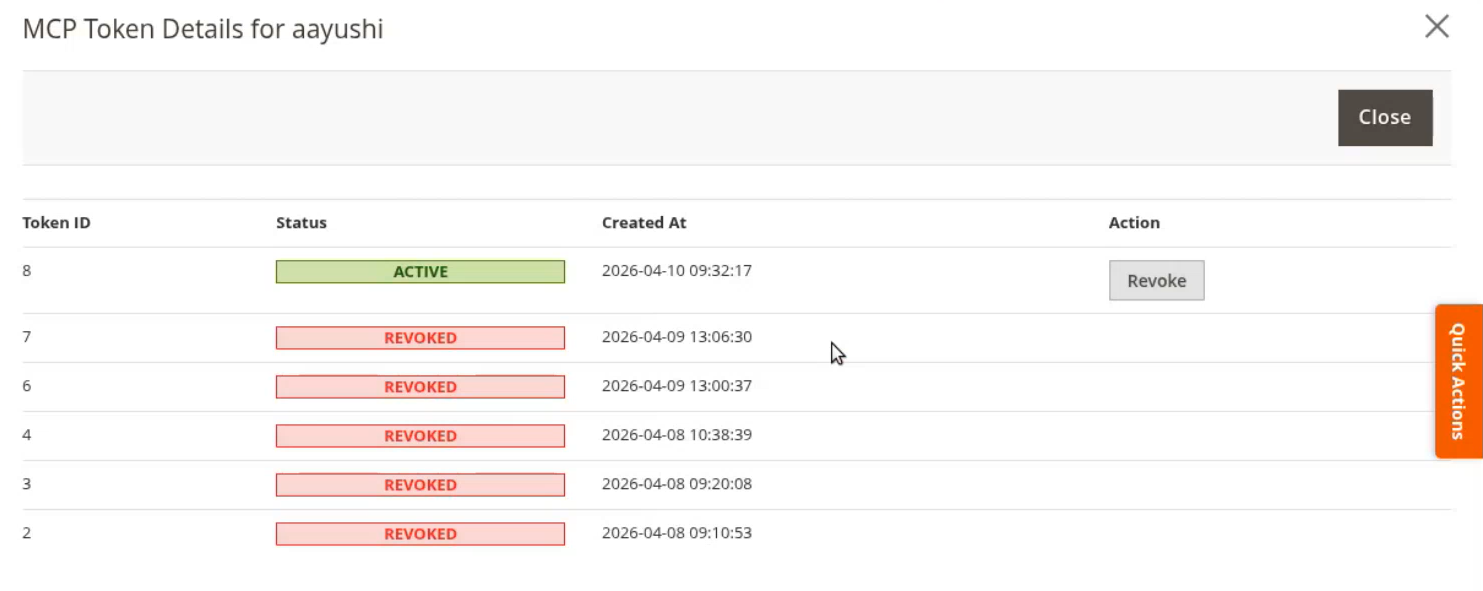
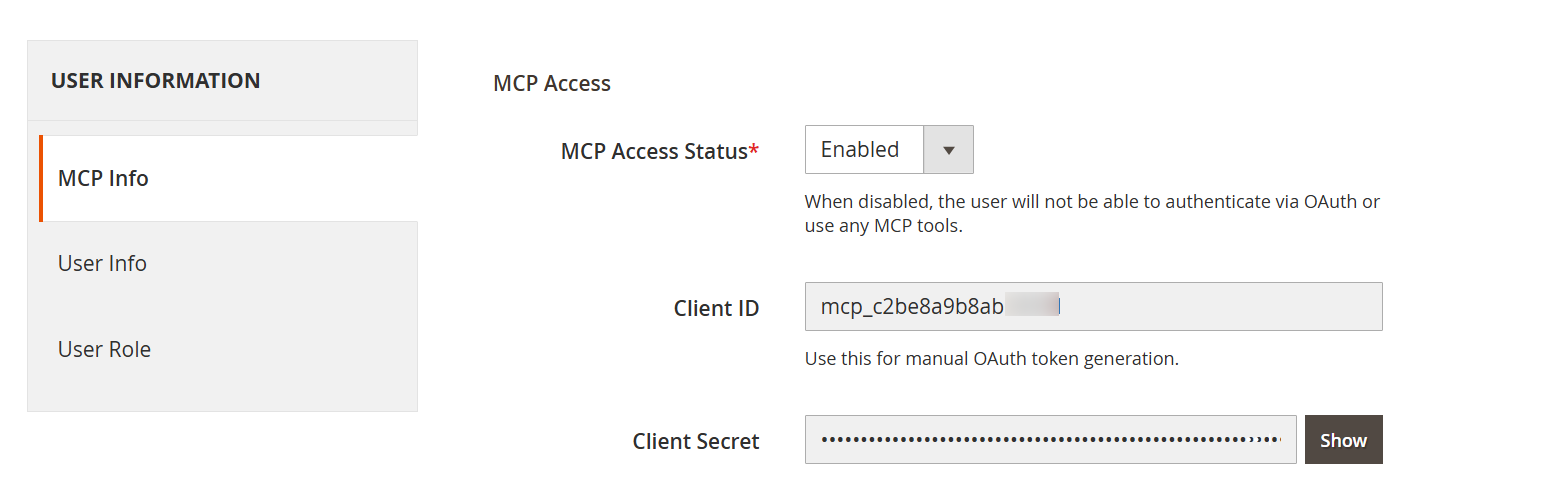
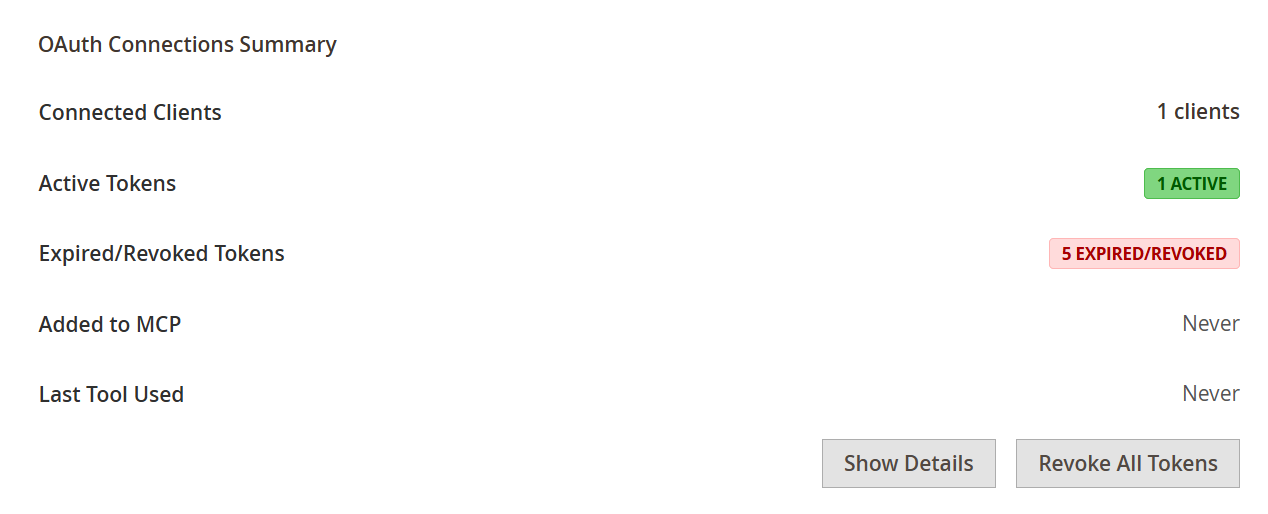
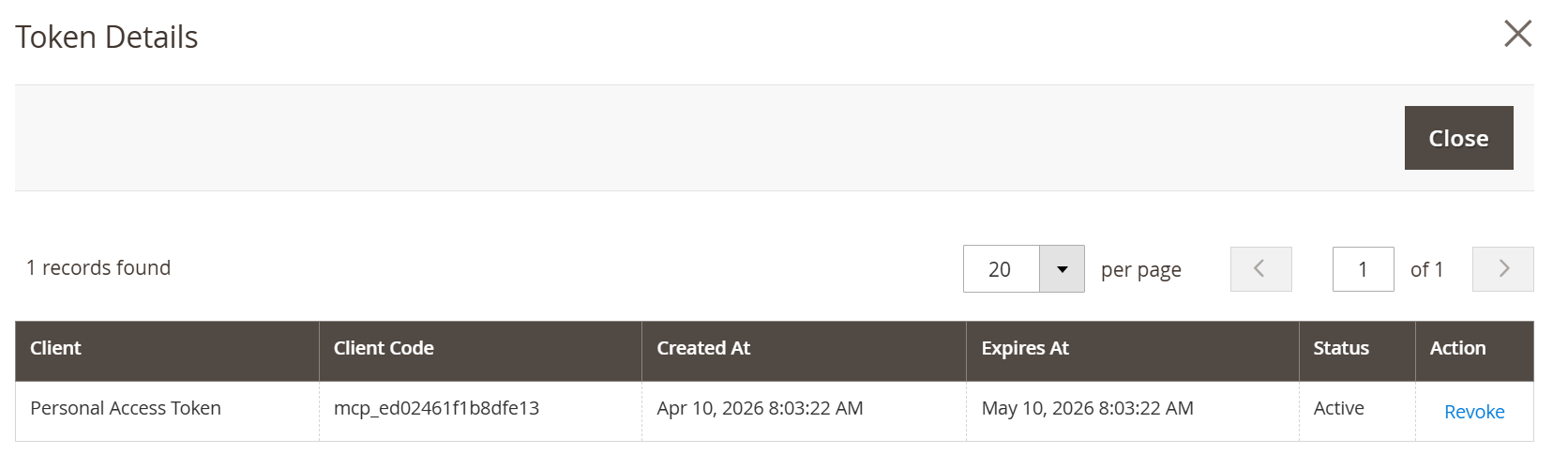
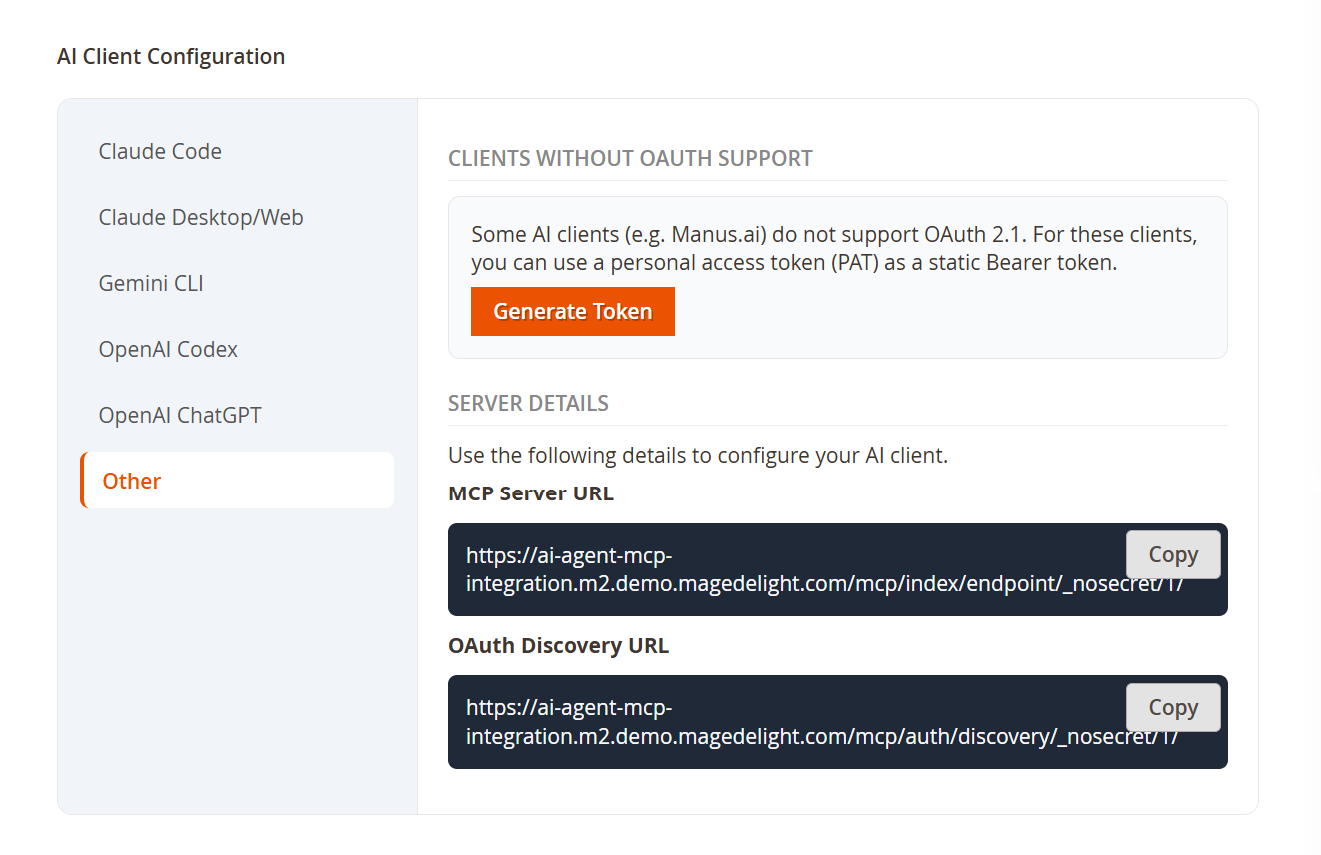
- The My Account section also includes the same MCP-related settings and configuration options available for the logged-in admin user. From this screen, users can manage their MCP access status, review OAuth connection details, view token activity, and access AI client configuration instructions for supported clients such as Claude, Gemini, Codex, and ChatGPT. This provides a convenient self-service area where users can view and manage their own MCP setup without navigating to the broader user management section.
- Path: Admin Panel → My Account
MCP Interaction Logs| Panel |
|---|
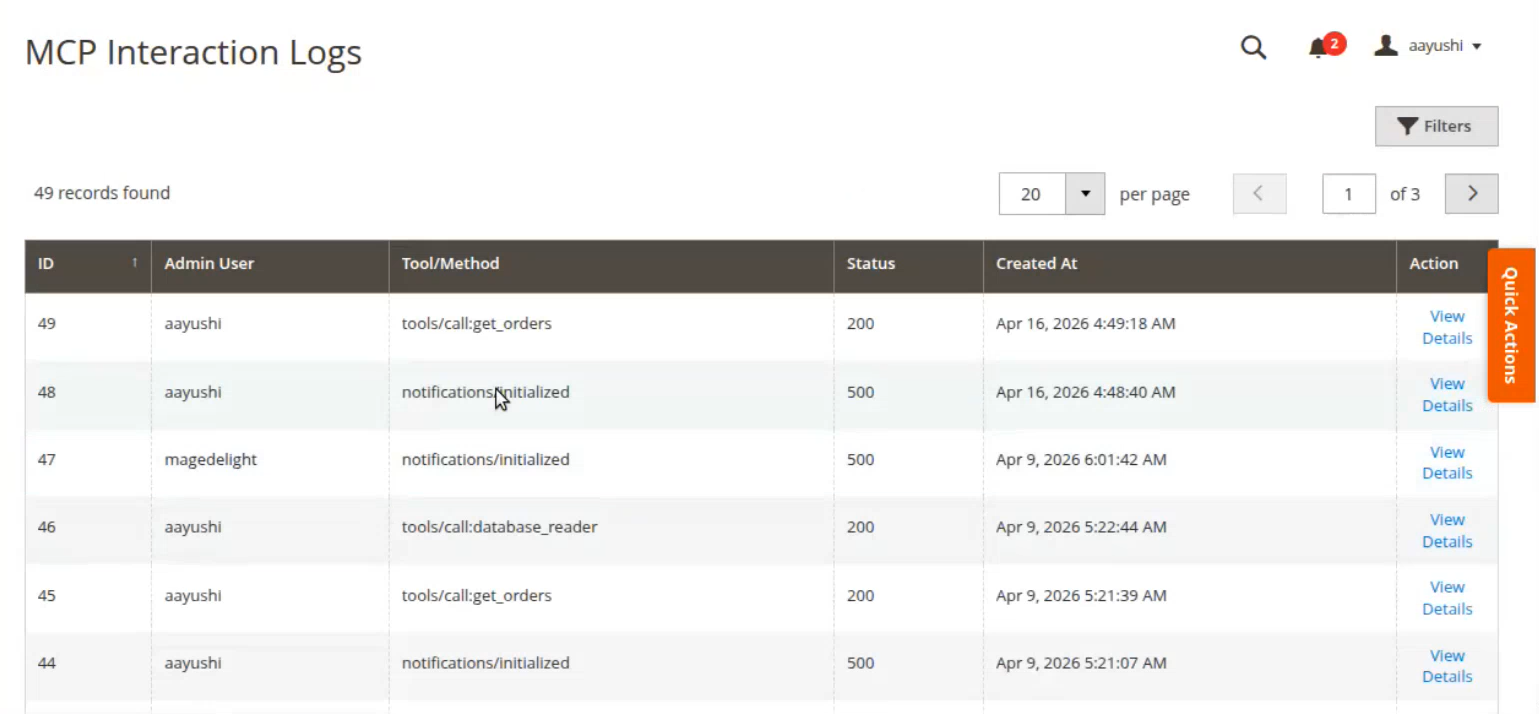 Image Added Image Added
|
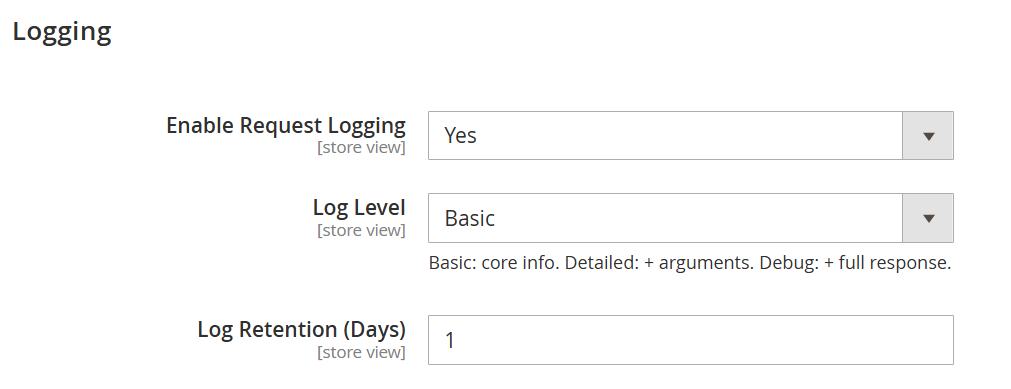
- The MCP Interaction Logs section provides a centralized view of activity performed through the MCP integration. It helps administrators monitor which user triggered a request, which tool or method was used, the response status, and when the interaction occurred. This section is useful for audit tracking, debugging failed requests, and reviewing overall MCP usage history.
| Field | Description |
|---|
| ID | Displays the unique identifier for each interaction log record. | | Admin User | Shows the admin user who initiated the MCP request. | | Tool/Method | Displays the MCP tool, endpoint, or method used during the interaction. | | Status | Shows the response status code returned for the request, helping identify successful and failed interactions. | | Created At | Displays the date and time when the interaction log was created. | | Action | Provides the available action for the selected log record. | | View Details | Opens the detailed view of the selected interaction log entry for further inspection. | | Filters | Allows administrators to apply filter criteria to narrow down the displayed log records. | | Records Found | Shows the total number of interaction log records available in the grid. | | Per Page | Lets administrators choose how many log records are displayed on each page. | | Pagination | Enables navigation through multiple pages of interaction logs. |
| Panel |
|---|
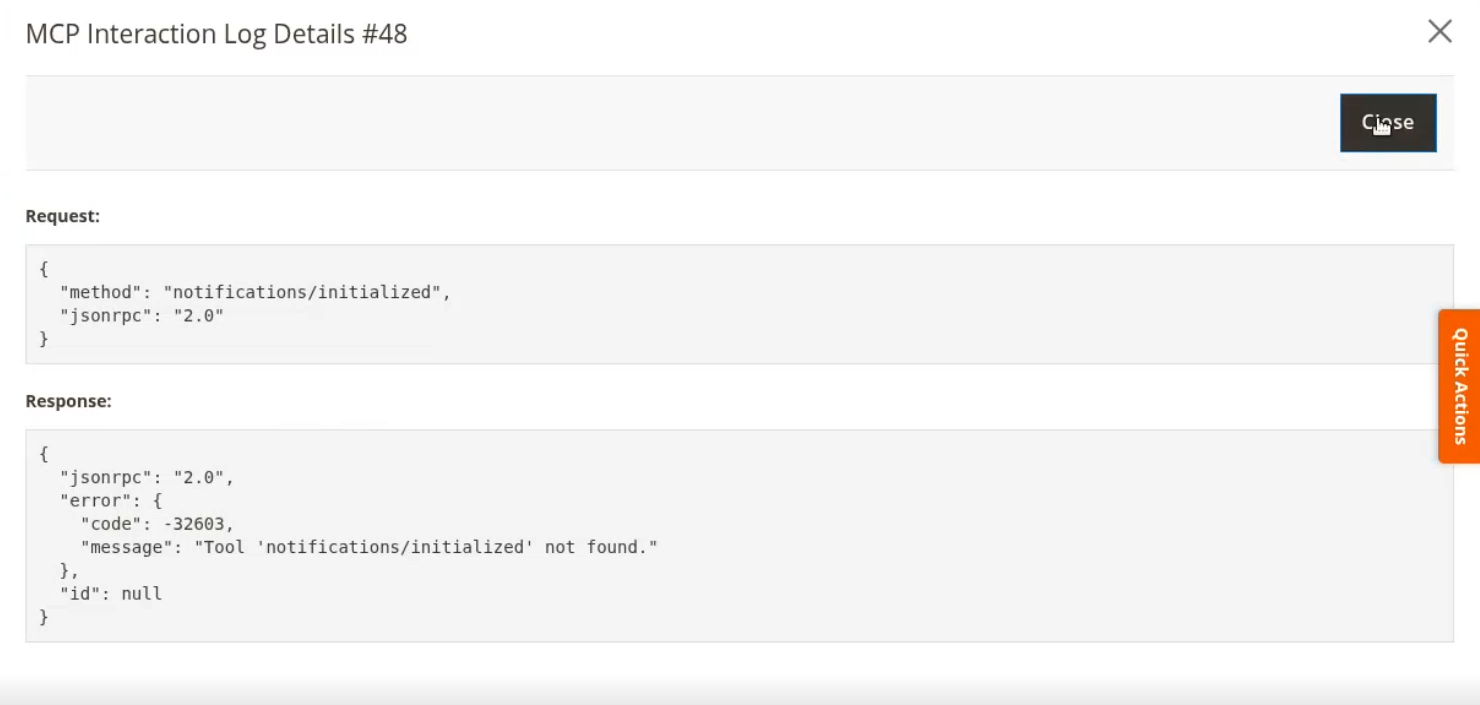 Image Added Image Added
|
- When the View Details option is selected from the Action column in the MCP Interaction Logs grid, a detailed popup is opened for the selected log entry. This popup allows administrators to inspect both the request payload and the response returned for that interaction. It is especially useful for troubleshooting failed requests, reviewing API behavior, and validating MCP communication details.
| Field | Description |
|---|
| MCP Interaction Log Details | Displays the detailed popup view for the selected interaction log record. | | Request | Shows the request payload that was sent during the selected MCP interaction. | | Response | Displays the response payload returned for the selected MCP interaction, including success or error details. | | Close | Closes the popup window and returns to the interaction logs grid. |
|